Understanding the Role of Geofencing in Commercial Asset Protection Strategies
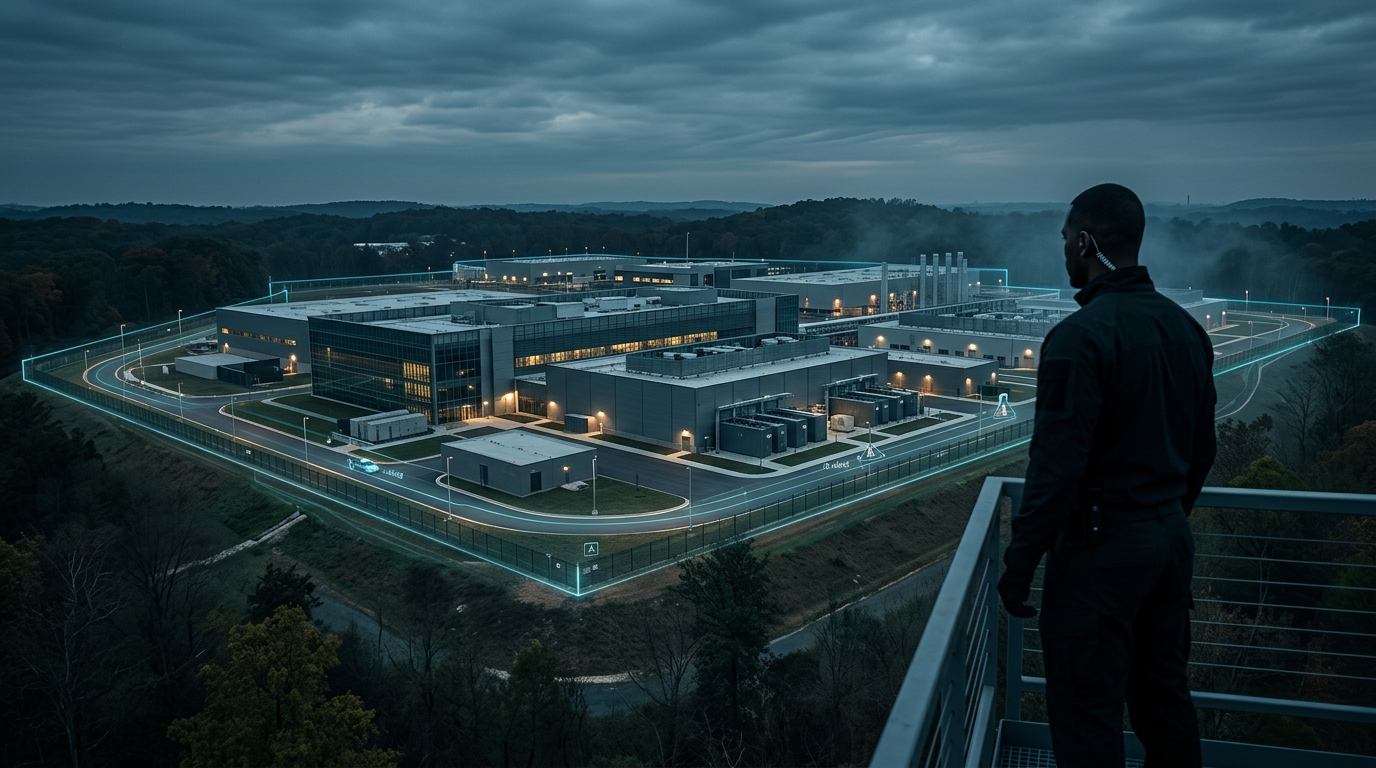
Geofencing, a technology that utilizes GPS, Wi-Fi, or cellular data to establish a virtual perimeter around a real-world geographic area, has become an increasingly sophisticated tool in commercial asset protection. Far more than a simple proximity alert, modern geofencing applications integrate with various existing security and operational systems to create dynamic, responsive zones for enhanced control and monitoring. For asset managers, facility directors, and HOA boards in the Manassas area, understanding its capabilities and limitations is key to leveraging this technology effectively.
How Geofencing Enhances Physical Security
When integrated into a comprehensive security plan, geofencing can serve several critical functions:
- Automated Access Control Enforcement: Geofences can be used to automatically lock or unlock gates, doors, or equipment when authorized personnel or vehicles enter or exit a designated zone. This reduces reliance on manual checks and can prevent unauthorized entry more efficiently.
- Asset Tracking and Recovery: For businesses with valuable mobile assets (e.g., construction equipment, delivery vehicles, high-value inventory), geofences can trigger alerts the moment an asset crosses a pre-defined boundary. This significantly improves response times for theft or unauthorized movement.
- Workforce Management and Safety: In large facilities or remote sites, geofencing can monitor personnel movement, ensuring they remain in designated safe zones or do not access restricted areas. This is particularly useful for compliance in hazardous environments or for validating work hours within specific locations.
- Intrusion Detection and Deterrence: A 'virtual tripwire' can be established around a perimeter. If an unauthorized individual or vehicle enters this zone, the system can automatically trigger alarms, activate surveillance cameras, or even initiate lighting sequences, providing an early warning system.
- Operational Efficiency: Beyond security, geofencing can automate tasks such as turning off lights or HVAC in unoccupied zones, or sending alerts regarding maintenance needs based on equipment location.
Key Considerations for Implementation
Effective geofencing deployment requires careful planning:
- Define Clear Objectives: What specific problem are you trying to solve? Is it asset theft, unauthorized access, or workforce safety? Clear objectives guide the selection of technology and configuration.
- Accuracy and Technology Layer: The precision of a geofence depends on the underlying technology. GPS is widely used but can be less reliable indoors. Wi-Fi and Bluetooth offer greater accuracy in localized indoor settings. Consider a multi-layered approach for robust coverage.
- Integration with Existing Systems: For maximum impact, geofencing should integrate seamlessly with your existing access control, video surveillance, alarm, and communication systems. This allows for unified incident response and data analysis.
- Policy and Protocol Development: Establish clear protocols for what happens when a geofence is breached. Who receives alerts? What is the escalation path? How is data logged and reviewed?
- Privacy and Compliance: Especially when monitoring personnel, ensure compliance with all privacy regulations and clearly communicate monitoring policies to employees. Transparency builds trust and avoids legal complications.
- Ongoing Maintenance and Calibration: Geofences are not 'set and forget.' Regular review and calibration are necessary to account for environmental changes, new operational layouts, or evolving threats.
Geofencing provides a dynamic layer of control that extends beyond traditional physical barriers, offering proactive risk mitigation for commercial properties and assets. Its intelligent application can significantly reduce response times and enhance overall security posture.
Executive Note — EGS Analysis Implementing geofencing capabilities effectively requires a nuanced understanding of a facility's structural vulnerabilities and operational continuity. Integrating this technology creates a more robust defensive posture, minimizing the liability footprint associated with uncontrolled access or asset movement.
Educational Sidebar: Geofencing Application Framework
To assess the potential benefits of geofencing for your commercial property, consider this framework:
- Identify High-Value Assets: List all mobile or easily transferable assets (e.g., vehicles, specialized equipment, inventory pallets) that would cause significant loss if stolen or misplaced.
- Map Critical Zones: Outline areas requiring restricted access (e.g., data centers, utility rooms, chemical storage), secure perimeters, or specific operational zones.
- Analyze Operational Flows: Document typical movement patterns of personnel, visitors, and vehicles within your property. Where are the bottlenecks or unsupervised entry/exit points?
- Evaluate Current Monitoring Gaps: Where do your current security systems (cameras, access cards) fall short in providing real-time alerts for unauthorized movement within or across defined areas?
- Prioritize Use Cases: Based on the above, which geofencing applications offer the most significant impact on security, safety, or operational efficiency for your property?
- Assess Integration Potential: Can your existing access control, alarm, or surveillance systems be integrated with geofencing technology for a unified response?
EGS Security Solutions publishes a complimentary threat & vulnerability assessment framework for facility directors in the DMV. Request it here: https://egssecuritysolutions.com/locations/manassas.