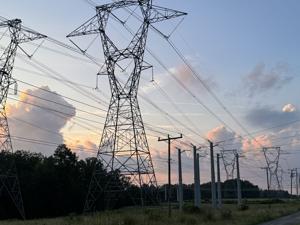
The Virginia State Corporation Commission (SCC) has directed Dominion Energy to reallocate a greater share of high-voltage transmission line costs to data centers. This decision, as reported by the Prince William Times, aims to shift more of the financial burden for infrastructure development to large power consumers.
The ruling specifically addresses the costs associated with building and maintaining the extensive network of transmission lines that transport electricity across the state. Historically, these costs have been distributed among various customer classes, including residential, commercial, and industrial users. The SCC's directive signifies a recognition of the significant power demands placed on the grid by the rapidly expanding data center industry in Northern Virginia.
While the exact financial impact on individual data centers and other customer categories is yet to be fully determined, the decision indicates a move toward more directly assigning infrastructure expenses to the sectors driving the greatest demand. This rebalancing of costs could influence future development patterns and investment strategies within the region's energy and technology sectors. The SCC's order focuses on ensuring equitable cost recovery for the utility while supporting the necessary expansion and modernization of Virginia's electrical grid, a critical component of the state's economic and technological landscape.
Executive Note — EGS Analysis This regulatory decision underscores the increasing pressure on existing critical infrastructure due to rapid commercial development, particularly in high-demand sectors like data centers. For commercial entities, understanding the evolving cost landscape of essential services like power is crucial for long-term operational continuity and strategic planning. Changes in utility cost allocation can impact a business's liability footprint by altering operational expenses and potentially influencing infrastructure investment decisions. Proactive risk mitigation involves not only physical security but also a keen awareness of the regulatory and economic factors affecting core utilities.
Educational Sidebar: Understanding Critical Infrastructure Protection
Critical infrastructure refers to the assets, systems, and networks — whether physical or virtual — that are so vital to the United States that their incapacitation or destruction would have a debilitating effect on security, national economic security, national public health or safety, or any combination thereof. This includes sectors like energy (electricity, oil, gas), water and wastewater systems, communications, transportation systems, financial services, and IT. Protecting these systems from physical threats, cyber attacks, and natural disasters is paramount for maintaining societal function and economic stability. Effective critical infrastructure protection involves a multi-layered approach, including robust physical security, cybersecurity measures, resilient design, and emergency preparedness plans, often requiring collaboration between government agencies and private sector stakeholders like those responsible for commercial building security solutions in Manassas.
EGS Security Solutions publishes a complimentary threat & vulnerability assessment framework for facility directors in the DMV. Request it here: https://egssecuritysolutions.com/locations/manassas