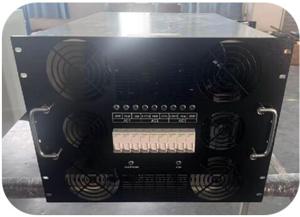
Rata, a company specializing in data center testing solutions, has announced the introduction of its new RM10 10kW Rack Load Bank. The device is designed to support the increasing testing demands of modern data centers and artificial intelligence (AI) infrastructure.
According to a report from the Prince William Times, the RM10 offers efficient testing for uninterruptible power supplies (UPS), cabinet-level validation, and simulation of AI server loads. This new capability addresses the evolving requirements for power and thermal management in data centers, particularly given the high-density demands of AI operations.
The RM10 is a rack-mounted unit, allowing it to be integrated directly into data center environments. Its primary function is to simulate power loads, enabling validation of cooling systems and power distribution units under operational conditions without deploying live servers. This approach helps ensure that critical infrastructure can handle the strenuous demands placed on it by advanced computing technologies.
Executive Note — EGS Analysis While this announcement directly concerns hardware for data center operations, it underscores a broader trend in critical infrastructure protection: the increasing sophistication required for validation and testing of core systems. For Manassas-area facilities involved in data processing or supporting digital operations, ensuring the integrity and resilience of power and cooling systems is paramount for operational continuity. The ability to accurately simulate demanding loads helps identify potential points of failure before they impact live services, aligning with proactive risk mitigation strategies.
Educational Sidebar: Understanding Data Center Critical Infrastructure
Data centers are foundational to modern digital life, housing the servers and networking equipment that power everything from social media to financial transactions. Their "critical infrastructure" refers to the essential support systems that keep these operations running reliably and securely. Key components include:
- Power Systems: This involves uninterruptible power supplies (UPS), generators, and power distribution units (PDUs) to ensure a consistent, clean power supply, even during utility outages. Robust power management is crucial to prevent data loss and system downtime.
- Cooling Systems: Servers generate significant heat. Effective cooling — through HVAC systems, chillers, and sophisticated airflow management — is necessary to maintain optimal operating temperatures and prevent equipment failure.
- Networking Infrastructure: High-speed, redundant network connections are vital for data transfer and external connectivity. These systems are protected against both physical and cyber threats.
- Physical Security: Beyond the technical infrastructure, physical access controls, surveillance, and environmental monitoring protect the sensitive equipment from unauthorized access, vandalism, and environmental hazards like fire or water damage. Comprehensive security layers ensure the facility itself is a fortress for digital assets.
These interconnected systems require rigorous testing and continuous monitoring to maintain the high availability and reliability expected of modern data centers, impacting everything from national security to commercial building security solutions in Manassas.
EGS Security Solutions publishes a complimentary threat & vulnerability assessment framework for facility directors in the DMV. Request it here: https://egssecuritysolutions.com/locations/manassas