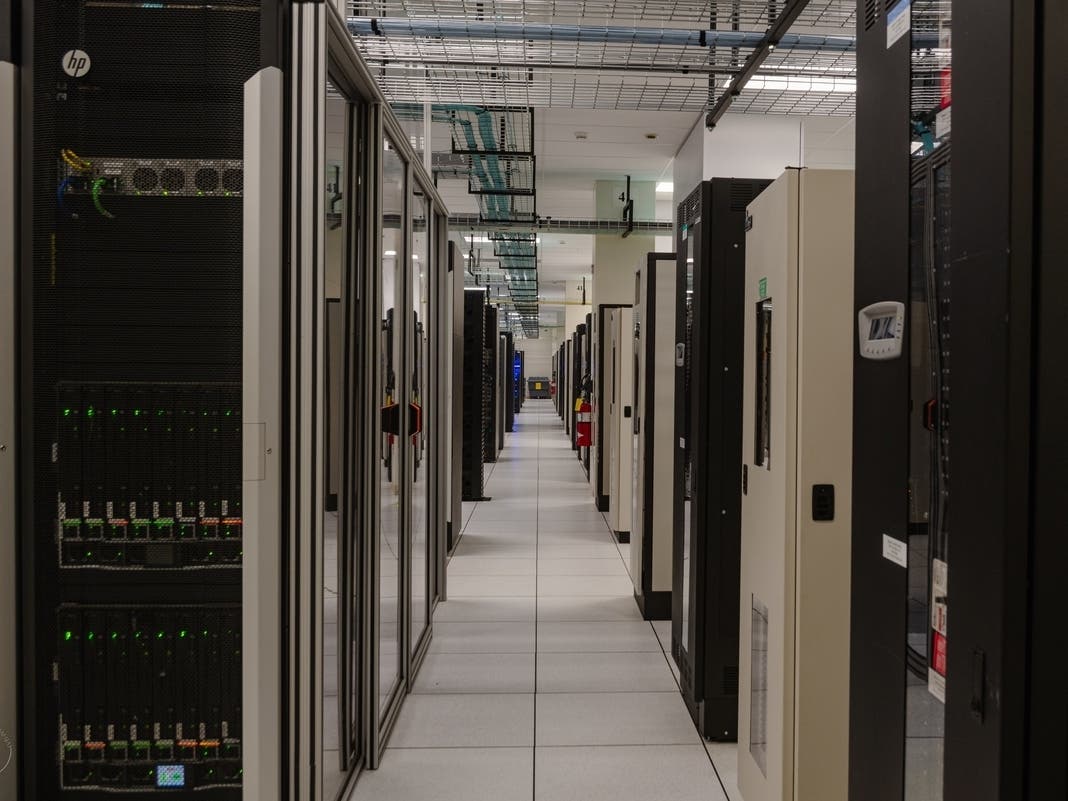
A federal review is underway concerning a proposed land swap that would enable the development of a data center adjacent to Prince William Forest Park, according to a report from Patch Manassas.
The proposal involves exchanging land to accommodate the construction of a new data center facility. Details regarding the specific parcels of land, the developer involved, and the precise location within the vicinity of the park were not fully elaborated in the initial report. Such developments typically involve extensive environmental impact assessments and public comment periods due to their proximity to protected natural areas and their potential for increased infrastructure demands. Data centers, as critical infrastructure, require significant power, cooling, and network connectivity, which can impact local resources and existing utilities. The consideration of a land swap suggests an effort to navigate geographical or regulatory challenges to facilitate the project's progression.
Executive Note — EGS Analysis
The development of new data centers in areas proximate to established environmental protections, such as Prince William Forest Park, introduces a complex array of considerations, particularly concerning tactical architecture for site security and operational continuity. The sheer scale and criticality of data center operations necessitate robust physical and cyber safeguards from the outset. Early-stage planning for these facilities must incorporate advanced security design that integrates seamlessly with the surrounding environment, minimizing visual and ecological impact while maximizing protective capabilities. This includes not just perimeter defenses but comprehensive monitoring and response protocols to ensure uninterrupted service, especially given the potential for increased public scrutiny and environmental sensitivities of such a location.
Educational Sidebar: Critical Infrastructure Protection Elements
Critical infrastructure, including facilities like data centers, requires specialized security protocols to ensure uninterrupted operation and data integrity. Effective critical infrastructure protection encompasses several layers:
- Physical Security: This includes robust perimeter defenses (fencing, access control points), surveillance systems (CCTV, intrusion detection), and guard forces composed of vetted tactical professionals. The goal is to prevent unauthorized access and detect threats early.
- Cybersecurity: Given the nature of data centers, an equally strong emphasis is placed on cybersecurity measures to protect against data breaches, cyberattacks, and system compromises. This involves sophisticated firewalls, encryption, regular vulnerability assessments, and incident response planning.
- Resilience and Redundancy: Critical infrastructure is designed to withstand and recover quickly from various disruptions, whether natural disasters, power outages, or physical attacks. This often includes redundant systems, backup power, and geographically dispersed operations.
- Threat Intelligence: Continuous monitoring of threat landscapes, both physical and cyber, allows for proactive risk mitigation. Sharing intelligence with relevant authorities and other critical infrastructure operators is also vital.
- Access Control: Beyond perimeter security, strict access control within the facility limits entry to authorized personnel only, utilizing biometric scanners, keycard systems, and visitor management protocols.
EGS Security Solutions publishes a complimentary threat & vulnerability assessment framework for facility directors in the DMV. Request it here: https://egssecuritysolutions.com/locations/manassas