Professor Kai London, a CISO and board advisor, has recently published a comprehensive library of over 100 titles focusing on cybersecurity, artificial intelligence (AI), and critical infrastructure. The collection is intended to address the growing complexities and challenges faced by organizations in protecting their digital and physical assets.
The newly released library covers a wide range of topics pertinent to modern enterprise security. It delves into the intersection of cyber threats, the strategic implementation of AI, and the resilience of critical infrastructure systems. Professor London's work aims to provide guidance for navigating the evolving threat landscape, particularly as digital and physical domains become increasingly intertwined.
According to a report in the Prince William Times, the collection is designed to serve as a resource for boards of directors, CISOs, and other executive leaders responsible for organizational security and risk management. It emphasizes the need for a holistic approach to security, moving beyond traditional IT concerns to encompass broader strategic and operational considerations.
The publication highlights the importance of proactive measures and informed decision-making in an era where cyberattacks can have significant operational and financial repercussions for critical infrastructure entities and other businesses.
Executive Note — EGS Analysis This publication underscores a critical shift in how enterprises must perceive and manage risk. The convergence of cyber and physical threats, particularly within critical infrastructure, demands a re-evaluation of tactical architecture. Effective proactive risk mitigation now requires a deep understanding of how technological vulnerabilities can impact real-world operations. Board-level engagement with these complex topics, as Professor London advocates, is no longer optional but a fundamental component of ensuring operational continuity.
Educational Sidebar: Understanding Critical Infrastructure Protection
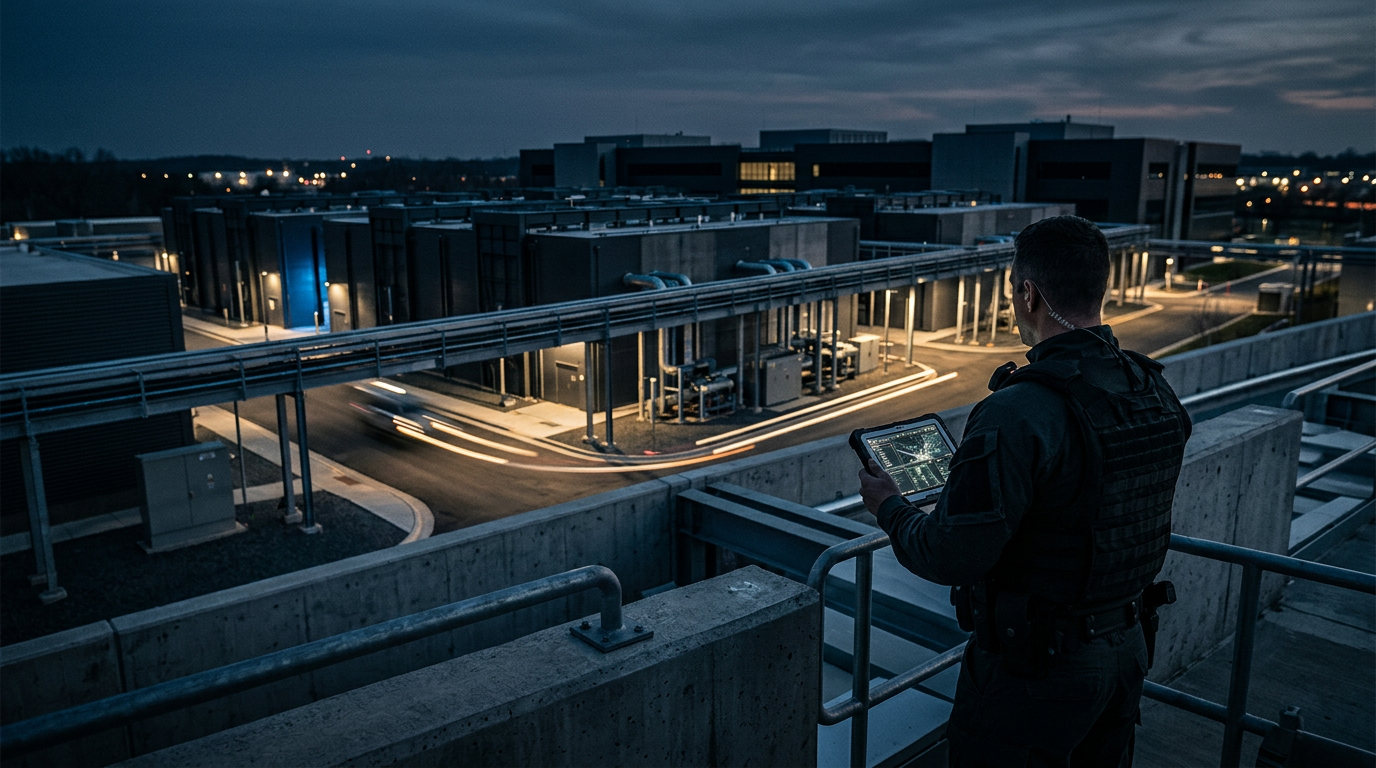
Critical infrastructure refers to the essential services and systems whose disruption would have a debilitating effect on security, national economic security, national public health or safety, or any combination thereof. Examples include power grids, water treatment facilities, transportation networks, communication systems, and financial services. Protecting these assets involves a multi-faceted approach that integrates physical security measures, cybersecurity protocols, and resilience planning. Key elements include identifying critical assets, assessing vulnerabilities to both cyber and physical threats, implementing protective measures (like access control, surveillance, and robust network defenses), and developing comprehensive incident response and recovery plans. The goal is to ensure the continuous operation of these vital services against a range of potential hazards, from natural disasters to sophisticated cyberattacks.
EGS Security Solutions publishes a complimentary threat & vulnerability assessment framework for facility directors in the DMV. Request it here: https://egssecuritysolutions.com/locations/manassas