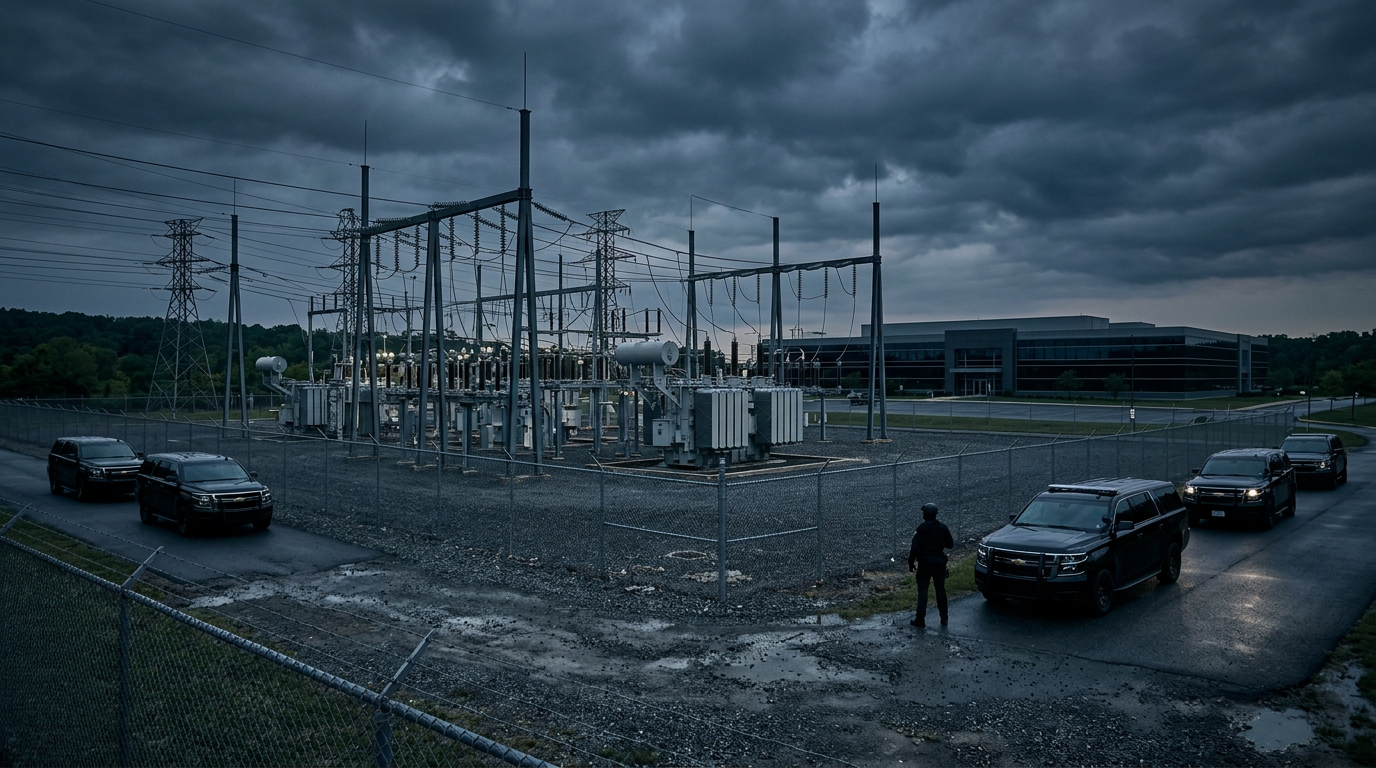
The Prince William County Board of Supervisors recently voted to deny a proposal from Dominion Energy to upgrade a switching station on Vint Hill Road. The proposed $300 million project was primarily intended to enhance power capacity for data centers in the region, according to Dominion Energy.
The decision followed significant opposition from area residents, who voiced concerns regarding the project's impact. The Board of Supervisors cited multiple factors in their denial, including environmental considerations, potential visual impact, and the overall effect on the surrounding community. Dominion Energy had emphasized the necessity of the upgrade to meet increasing power demands driven by the proliferation of data centers within Prince William County.
The Vint Hill switching station is a key component of the local electrical grid, facilitating the distribution of power across the area. The proposed upgrade involved expanding its capacity and integrating new infrastructure to handle higher electricity loads. The denial of this project could have implications for the future development and energy infrastructure planning in Prince William County, particularly concerning its rapidly growing data center industry. Representatives from Dominion Energy have not yet announced their next steps following the Supervisors' decision.
Executive Note — EGS Analysis
This decision highlights the complex interplay between infrastructure development, community sentiment, and the expansion of critical digital assets like data centers. For organizations operating critical infrastructure in Prince William County, maintaining robust operational continuity requires not only technical resilience but also navigating local regulatory and community relations. Proactive risk mitigation involves engaging stakeholders early and addressing community concerns comprehensively. This case underscores the importance of a holistic approach to security, recognizing that external factors and public perception can significantly influence project viability and, by extension, the security and reliability of essential services.
Educational Sidebar: Understanding Critical Infrastructure Protection
Critical infrastructure refers to the assets, systems, and networks — whether physical or virtual — that are essential to the functioning of a society and economy. This includes facilities related to energy (like electrical switching stations), water, communication, transportation, and finance. The protection of critical infrastructure is paramount because its disruption or destruction can have debilitating effects on national security, economic stability, and public safety.
Effective critical infrastructure protection involves several layers, including physical security measures (such as access control, surveillance, and perimeter security), cybersecurity defenses, and comprehensive risk management strategies. It also encompasses regulatory compliance, emergency preparedness, and collaborative efforts between private operators, local government, and law enforcement. For businesses and communities alike, understanding the structural vulnerabilities of these systems and advocating for their secure and sustainable development is a vital component of regional resilience. Securing these assets is not just about fences and cameras; it's about a multilayered approach to threat and vulnerability management across the entire threat landscape.
EGS Security Solutions publishes a complimentary threat & vulnerability assessment framework for facility directors in the DMV. Request it here: https://egssecuritysolutions.com/locations/manassas