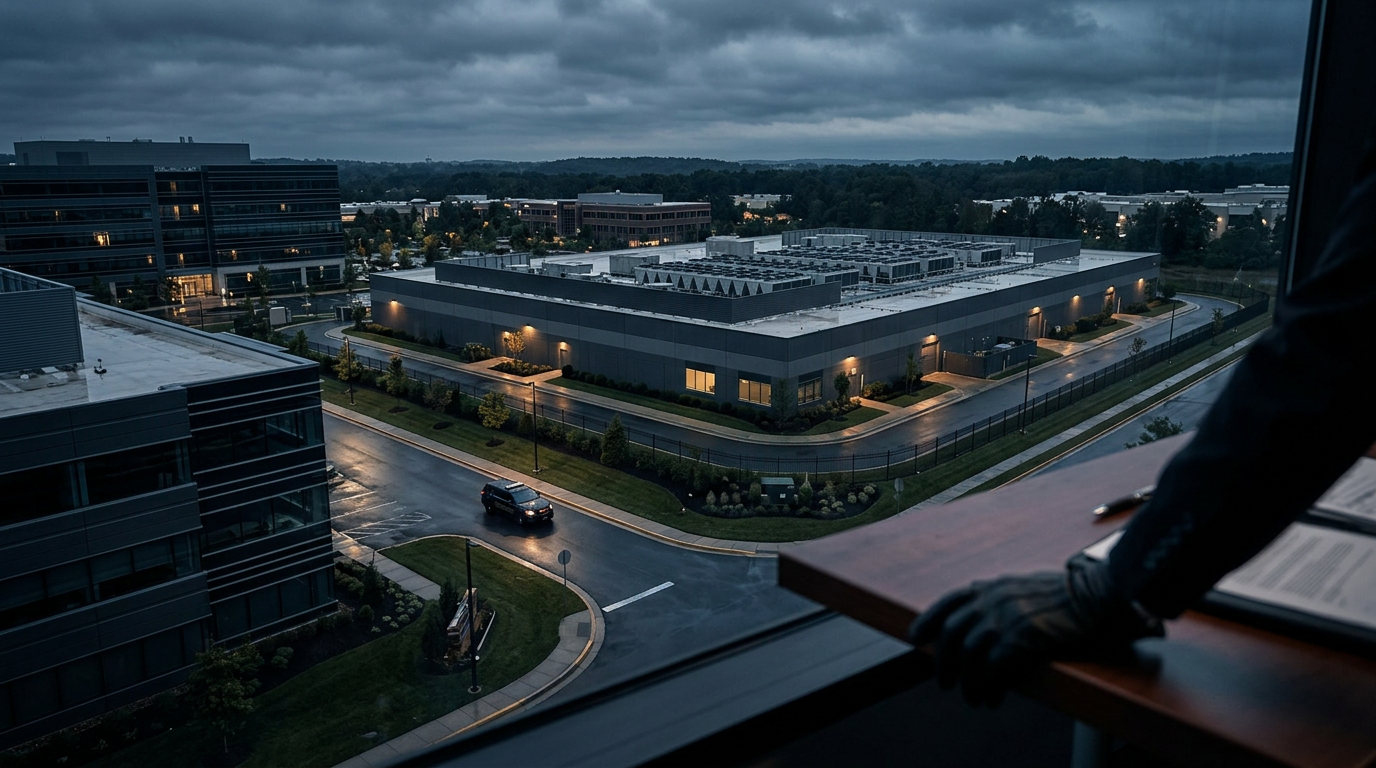
The Prince William County Planning Commission recently voted to recommend the elimination of “by-right” data center development within the county. This decision could significantly alter the process for constructing new data facilities, though the exact timeline for implementation remains under discussion.
According to reporting by the Prince William Times, the Planning Commission's vote on June 19, 2024, moves a contentious proposal forward that seeks to remove data centers from the list of uses permitted by-right in agricultural and industrial zones. Under the current by-right system, developers can proceed with data center construction if their plans meet existing zoning ordinances, without requiring a separate special use permit (SUP) or rezoning approval from the Board of County Supervisors.
The proposed change would mandate that all new data center projects seek a special use permit, a process that involves public hearings and direct approval from the Board of County Supervisors. This would grant the county greater control over the location, design, and impact of these large-scale facilities.
The Planning Commission's recommendation now advances to the Board of County Supervisors, which will hold its own public hearing and cast a final vote on the matter. The precise date for this board consideration has not yet been set.
Opposition to by-right data center development often cites concerns about environmental impact, strain on infrastructure, and visual aesthetics. Proponents of by-right development typically point to economic benefits, job creation, and the importance of accommodating the growing demand for digital infrastructure.
Executive Note — EGS Analysis This move by the Prince William Planning Commission represents a significant shift in the tactical architecture surrounding commercial real estate development for a specific sector. By changing data centers from a by-right use to one requiring a special use permit, the county gains enhanced oversight. For businesses considering or operating data centers in Prince William County, this regulatory evolution underscores the increasing complexity of operational continuity planning. Proactive engagement with local planning processes and an understanding of evolving land-use policies are crucial for mitigating potential delays and ensuring project viability in a region increasingly vital for critical infrastructure.
Educational Sidebar: Understanding 'By-Right' vs. Special Use Permits in Commercial Zoning
In commercial real estate, zoning ordinances dictate how land can be used. Two common classifications for permitted uses are “by-right” and “special use permit” (SUP).
-
By-Right Use: A use is considered “by-right” when it is explicitly permitted in a zoning district without the need for additional discretionary approval from the local government, provided it meets all other applicable zoning standards (e.g., setbacks, height limits). This offers developers a more streamlined and predictable path to construction, reducing approval times and often development costs.
-
Special Use Permit (SUP) / Conditional Use Permit (CUP): An SUP (sometimes called a CUP) is required for certain uses that are generally compatible with a zoning district but may have unique impacts or characteristics that warrant individual review. Obtaining an SUP typically involves a public hearing process where the local planning commission and/or governing body reviews the proposed project's specific details, considers public input, and then decides whether to grant permission, often with specific conditions attached. This process gives the local government more control over how a particular use is implemented, allowing them to address potential concerns related to traffic, noise, environmental impact, or community character.
The shift from by-right to SUP for a specific commercial use, such as data centers, reflects a desire by the local jurisdiction to exert greater control and community input over development that may have substantial impacts.
EGS Security Solutions publishes a complimentary threat & vulnerability assessment framework for facility directors in the DMV. Request it here: https://egssecuritysolutions.com/locations/manassas