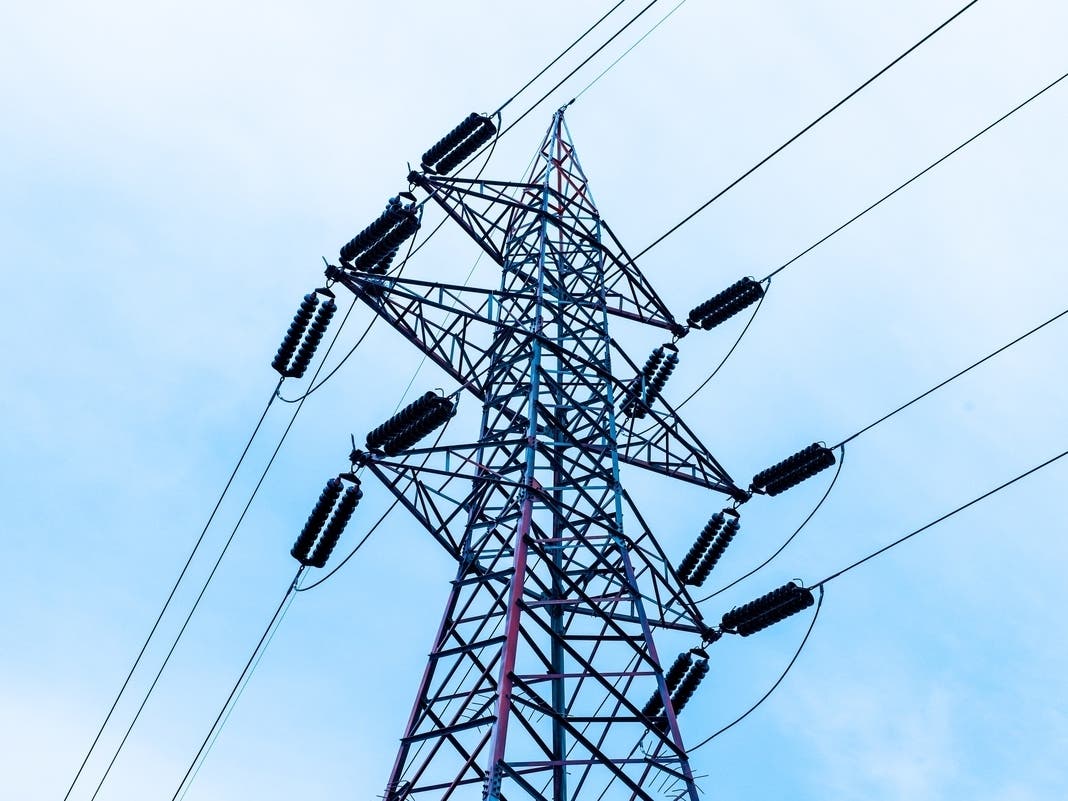
Prince William County Supervisors have postponed a vote on a proposed new electrical substation intended to power a growing number of data centers in the region, according to a report by Patch Manassas. The decision to defer action follows significant community opposition regarding the project.
The proposed substation, which is a critical piece of infrastructure for powering data center operations, has drawn criticism from residents already expressing concerns about the proliferation of data centers in the county. The contentious nature of the project prompted the deferral by the Board of County Supervisors, allowing for further consideration and discussion.
Data centers require substantial electrical power for their operations, including computing, cooling, and backup systems. The development of new substations is often a prerequisite for expanding data center capacities in a given area. Community feedback on the environmental impact, noise, and aesthetic changes associated with both data centers and their supporting infrastructure has become a recurring theme in Prince William County.
Executive Note — EGS Analysis The deferral of a critical infrastructure project like a power substation highlights the complex interplay between economic development, community concerns, and the need for operational continuity. For businesses reliant on such infrastructure, particularly in high-demand sectors like data storage, these delays can create uncertainties in expansion plans and impact long-term strategic decisions. Proactive risk assessments often consider not just technical feasibility but also public sentiment and potential regulatory hurdles to ensure a frictionless environment for development.
Educational Sidebar: Protecting Critical Infrastructure
Critical infrastructure refers to assets, systems, and networks — whether physical or virtual — so vital to the United States that their incapacitation or destruction would have a debilitating effect on security, national economic security, national public health or safety, or any combination thereof. This broad category includes power grids, water treatment plants, communication networks, transportation systems, and, increasingly, data centers.
Effective protection of critical infrastructure involves a multi-layered approach, combining physical security measures, cyber defenses, and robust emergency response protocols. For physical assets like substations or data centers, this can include:
- Perimeter Security: Fencing, access control points, and surveillance systems to deter unauthorized entry.
- Access Control: Limiting entry to authorized personnel through keycards, biometrics, or manned checkpoints.
- Intrusion Detection: Sensors and alarms to detect unauthorized presence.
- Surveillance: CCTV systems allowing for real-time monitoring and forensic analysis.
- Resilience Planning: Designing systems to withstand potential threats and recover quickly from disruptions.
Protecting these sites is not just about preventing direct attacks but also about ensuring their ongoing operation against a variety of threats, from vandalism and theft to natural disasters and cyber warfare. The goal is to safeguard the essential services they provide to businesses and communities.
EGS Security Solutions publishes a complimentary threat & vulnerability assessment framework for facility directors in the DMV. Request it here: https://egssecuritysolutions.com/locations/manassas