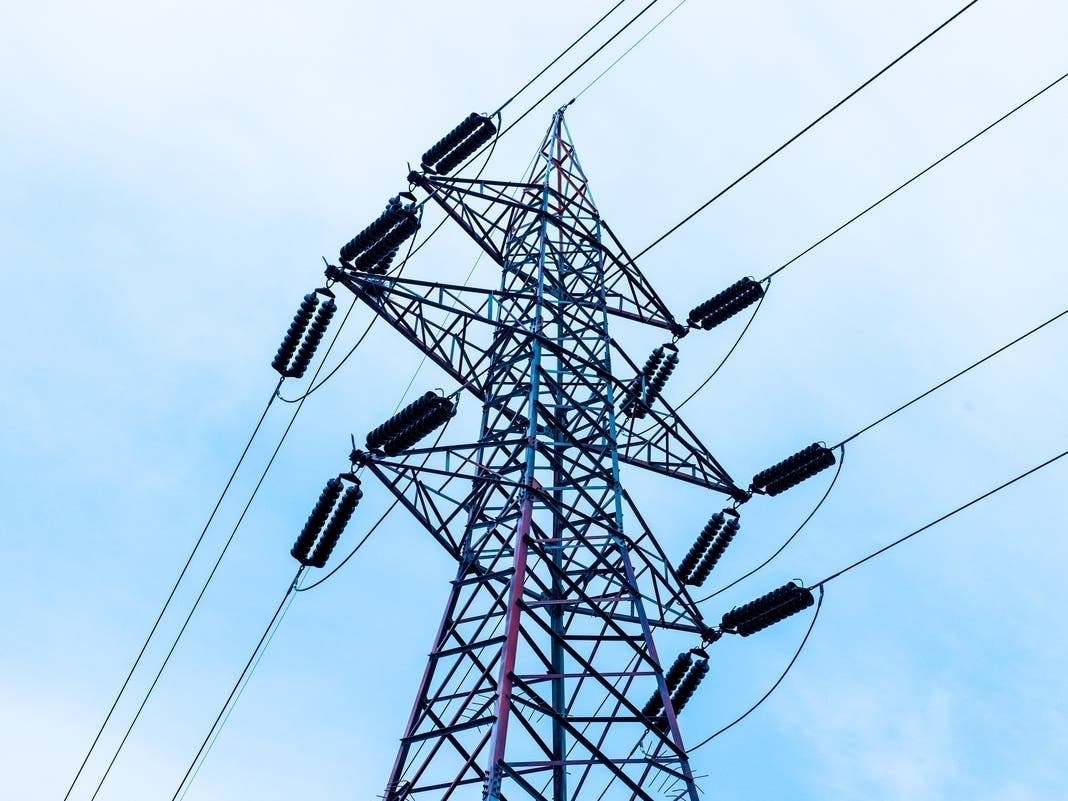
PJM Interconnection, the operator of the electrical transmission system for Virginia and 12 other states, declared a high-level emergency alert earlier this week, urging customers to conserve electricity. The alert, issued due to a combination of extreme cold weather and high demand, aimed to prevent potential power shortages across the region.
According to Patch Manassas, citing officials, the declaration was a proactive measure to ensure the stability of the power grid and reduce the risk of outages. The emergency was declared on Monday and was elevated to a Level 2 alert, indicating that PJM was activating demand response programs and importing power from neighboring regions to meet demand. The alert was later scaled back to a Level 1 before being lifted entirely on Tuesday morning as weather conditions moderated and demand decreased.
PJM Interconnection manages the wholesale electricity market and transmission system for millions of people across its service territory, which includes all or parts of Delaware, Illinois, Indiana, Kentucky, Maryland, Michigan, New Jersey, North Carolina, Ohio, Pennsylvania, Tennessee, Virginia, West Virginia, and the District of Columbia. Their operational decisions are crucial for maintaining operational continuity for businesses and residents throughout these areas, particularly during periods of high stress on the grid.
The organization continuously monitors weather forecasts, electricity demand, and generation availability to make informed decisions regarding grid operations. The recent cold snap tested the system's capacity, prompting the need for conservation efforts from consumers and businesses alike.
Executive Note — EGS Analysis Power grid emergencies, even those quickly resolved, underscore the
structural vulnerabilitiesinherent in critical infrastructure. For commercial enterprises, particularly those in Manassas reliant on continuous operations, these events are not just inconveniences but potential threats tooperational continuity. While direct security against a power outage isn't feasible, understanding the cascading effects on security systems, data centers, and access controls is paramount. Proactive planning for power disruptions, including backup power solutions and revised security protocols, becomes a key component of a robust risk mitigation strategy for commercial building security solutions in Manassas.
Educational Sidebar: Understanding Critical Infrastructure Protection
Critical infrastructure refers to the essential facilities, systems, and assets (both physical and virtual) that are vital to the functioning of a society and economy. This includes sectors like energy (power grids, pipelines), water, transportation, communications, financial services, and emergency services. Protecting these assets is crucial because their disruption or destruction could have debilitating impacts on national security, economic security, public health, and safety.
For businesses, understanding critical infrastructure protection involves recognizing their own reliance on these external systems. For example, a severe grid incident can compromise physical security systems (like surveillance and access control) that rely on electricity, impact data availability, and halt production or service delivery. Effective critical infrastructure protection strategies involve government agencies, private sector owners, and local communities working collaboratively to assess threats, implement safeguards, and develop resilience plans. Businesses can contribute by ensuring their facilities have robust contingency plans for power, data, and communication outages, thereby minimizing their liability footprint during widespread disruptions. This also extends to considering the resilience of their own infrastructure as part of broader commercial building security solutions in Manassas.
EGS Security Solutions publishes a complimentary threat & vulnerability assessment framework for facility directors in the DMV. Request it here: https://egssecuritysolutions.com/locations/manassas