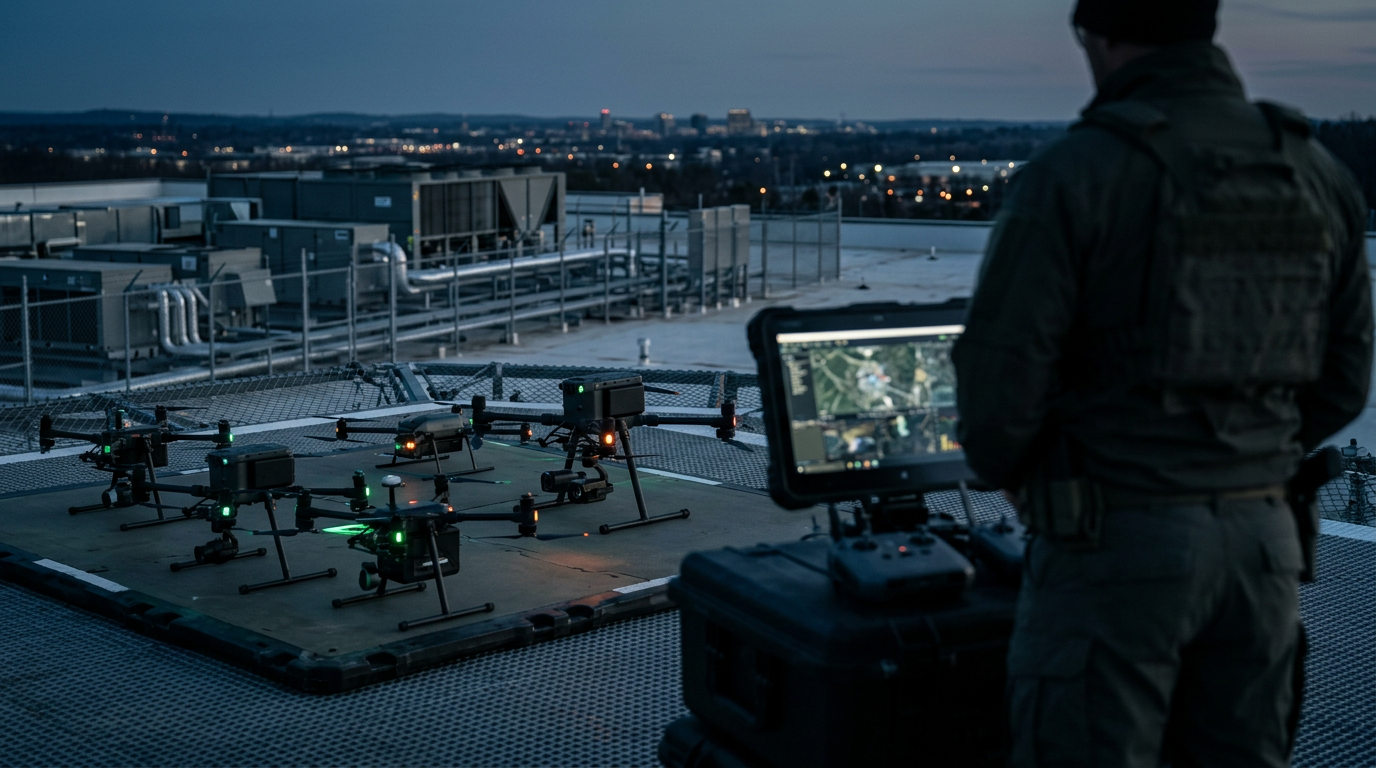
Manassas, VA – Iwa Robotics, a company specializing in autonomous systems, has unveiled a new drone fleet designed to enhance urban wildfire detection, diagnosis, and suppression. The system, comprising drones named HAWK, CANARY, and PELICAN, is intended for operation by fire departments as a single, dispatchable aerial unit.
According to a press release from Iwa Robotics published in the Prince William Times, the HAWK drone is equipped for long-range detection, utilizing advanced sensors to identify potential fire incidents early. Once a fire is detected, the CANARY drone is deployed for real-time diagnostics, providing critical information about the fire's size, intensity, and spread. The PELICAN drone then performs precision aerial suppression, targeting specific areas to contain or extinguish the blaze.
The system aims to integrate detection, assessment, and response into a cohesive, autonomous platform. The company indicates that this technology offers a new tool for fire departments to manage and mitigate the risks of urban wildfires, potentially improving response times and operational efficiency in high-risk areas.
Executive Note — EGS Analysis The introduction of autonomous drone fleets like Iwa Robotics' system represents a significant advancement in critical infrastructure protection, particularly concerning wildfire response. For facility managers and property owners in the Manassas area, this technology underscores a broader trend towards leveraging advanced tools for proactive risk mitigation. While not a direct security system, improved public safety response capabilities can indirectly reduce the liability footprint for commercial properties by minimizing damage and disruption from environmental threats. Understanding and collaborating with local emergency services adopting such technologies is becoming increasingly important for operational continuity planning.
Educational Sidebar: Proactive Risk Mitigation in Environmental Threats
Proactive risk mitigation involves identifying potential threats and implementing strategies before an incident occurs, rather than reacting solely after the fact. In the context of environmental threats like wildfires, this includes a multi-faceted approach:
- Vulnerability Assessment: Regularly evaluate properties and surrounding areas for structural vulnerabilities that could exacerbate fire risk (e.g., overgrown vegetation, combustible materials near buildings).
- Technology Integration: Explore and support the adoption of advanced technologies by public services, such as the autonomous drones for detection and suppression discussed in the article, which can significantly reduce response times and impact.
- Emergency Response Planning: Develop clear, regularly updated emergency plans that outline procedures for evacuation, asset protection, and communication with emergency services.
- Community Collaboration: Participate in local initiatives and discussions regarding community-wide resilience and preparedness for environmental hazards. For commercial building security solutions in Manassas, aligning with community efforts can enhance overall safety.
- Insurance and Compliance: Ensure insurance policies adequately cover potential damages from environmental threats and that all property management practices comply with local fire safety codes and regulations.
EGS Security Solutions publishes a complimentary threat & vulnerability assessment framework for facility directors in the DMV. Request it here: https://egssecuritysolutions.com/locations/manassas