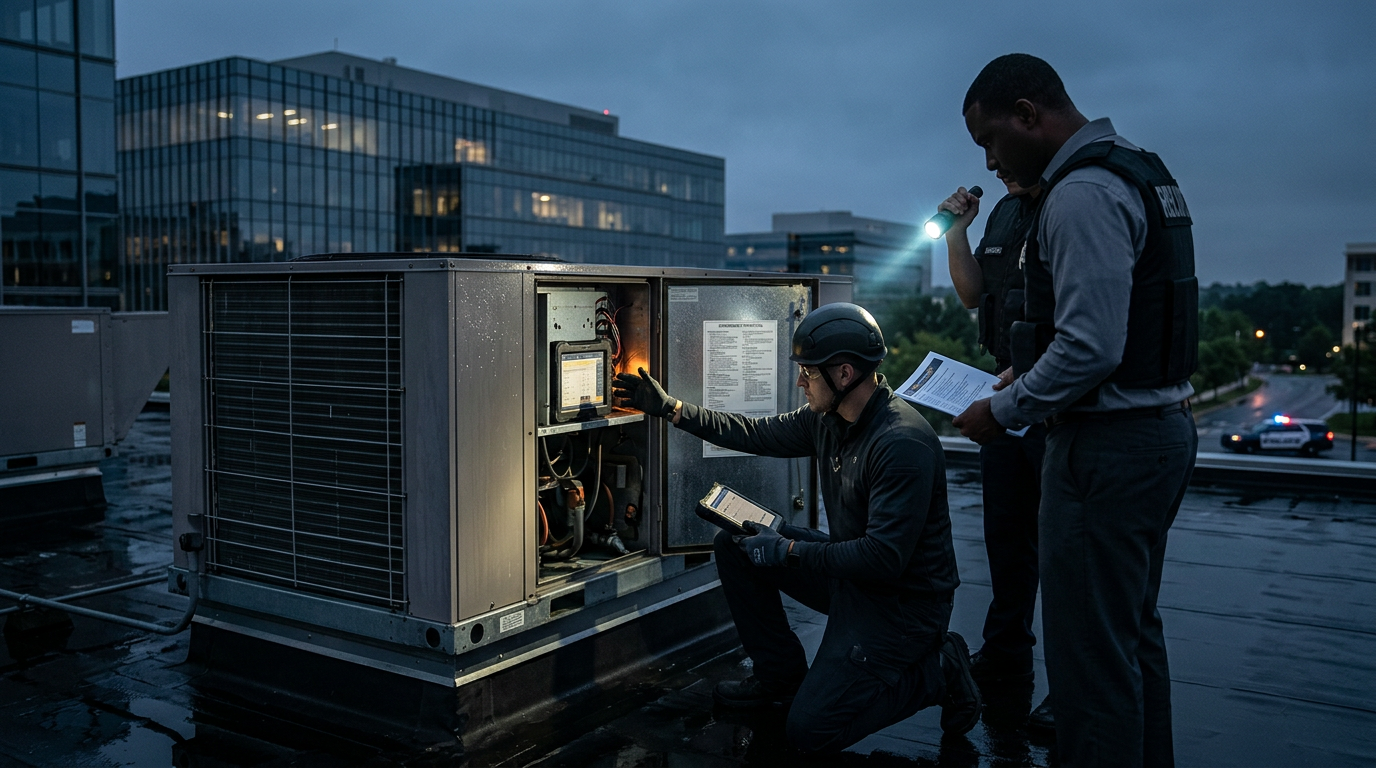
Grays LLC, a provider of commercial heating, ventilation, and air conditioning (HVAC) services, has announced enhanced emergency response protocols to address increasing demands for repairs in commercial facilities. The updated protocols aim to streamline response times and improve critical systems, particularly in light of current environmental and operational pressures.
According to a press release published in the Prince William Times, Grays LLC's new system includes a tiered response structure designed to prioritize issues based on severity and potential impact on operational continuity. This involves dedicated rapid-response teams equipped with advanced diagnostic tools, intended to mitigate downtime for businesses experiencing HVAC failures. The company noted that the move was a direct response to a significant rise in calls for urgent repairs across commercial properties, highlighting the need for more robust and efficient emergency support.
The enhancements are expected to affect various commercial sectors, including offices, retail spaces, and warehousing facilities, which depend heavily on functional HVAC systems for employee comfort, product integrity, and IT infrastructure cooling. The protocols also emphasize preventative maintenance, with Grays LLC encouraging clients to adopt proactive service agreements to avert emergency situations. The company's statement underscored their commitment to supporting local businesses in maintaining optimal building environments.
Executive Note — EGS Analysis
The announcement from Grays LLC highlights a critical aspect of operational continuity for commercial facilities: the reliability of foundational infrastructure. While HVAC systems might not immediately fall under direct security concerns, their failure can trigger a cascade of issues impacting security. For instance, extreme temperatures can compromise sensitive equipment, affect employee well-being and productivity, and even create conditions conducive to unauthorized access if systems fail to maintain locked environments. A well-articulated emergency response plan for essential services like HVAC reflects a broader commitment to proactive risk mitigation, reducing the overall liability footprint for a property owner or manager in Manassas commercial building security solutions.
Educational Sidebar: Integrating Facility Services with Security Planning
Effective security planning for commercial properties extends beyond access control and surveillance; it encompasses all services that contribute to a building's overall resilience and safety. Integrating facility services, such as HVAC maintenance, plumbing, and electrical systems, into a holistic security strategy can significantly enhance a property's robustness. This integration involves several key components:
- Emergency Response Coordination: Ensuring that facility service providers have clear protocols for coordinating with on-site security personnel or emergency contacts during critical incidents. This includes understanding access procedures during emergencies and communication channels.
- Vulnerability Assessments: Including critical infrastructure like HVAC systems in regular security vulnerability assessments. This identifies potential points of failure that, if compromised, could indirectly impact security operations (e.g., server room overheating, loss of environmental controls that protect sensitive assets).
- Preventative Maintenance Schedules: Aligning preventative maintenance schedules for facility systems with security reviews to ensure minimal disruption and maximum system reliability. This reduces the likelihood of unplanned outages that could create security gaps.
- Documentation and Training: Maintaining comprehensive documentation of all facility systems, including schematics and emergency shutdown procedures, accessible to both facility managers and security teams. Regular cross-training ensures personnel understand how different systems intertwine.
By viewing facility services as an integral part of the larger security ecosystem, businesses can create a more resilient and secure operating environment, enhancing critical infrastructure protection.
EGS Security Solutions publishes a complimentary threat & vulnerability assessment framework for facility directors in the DMV. Request it here: https://egssecuritysolutions.com/locations/manassas