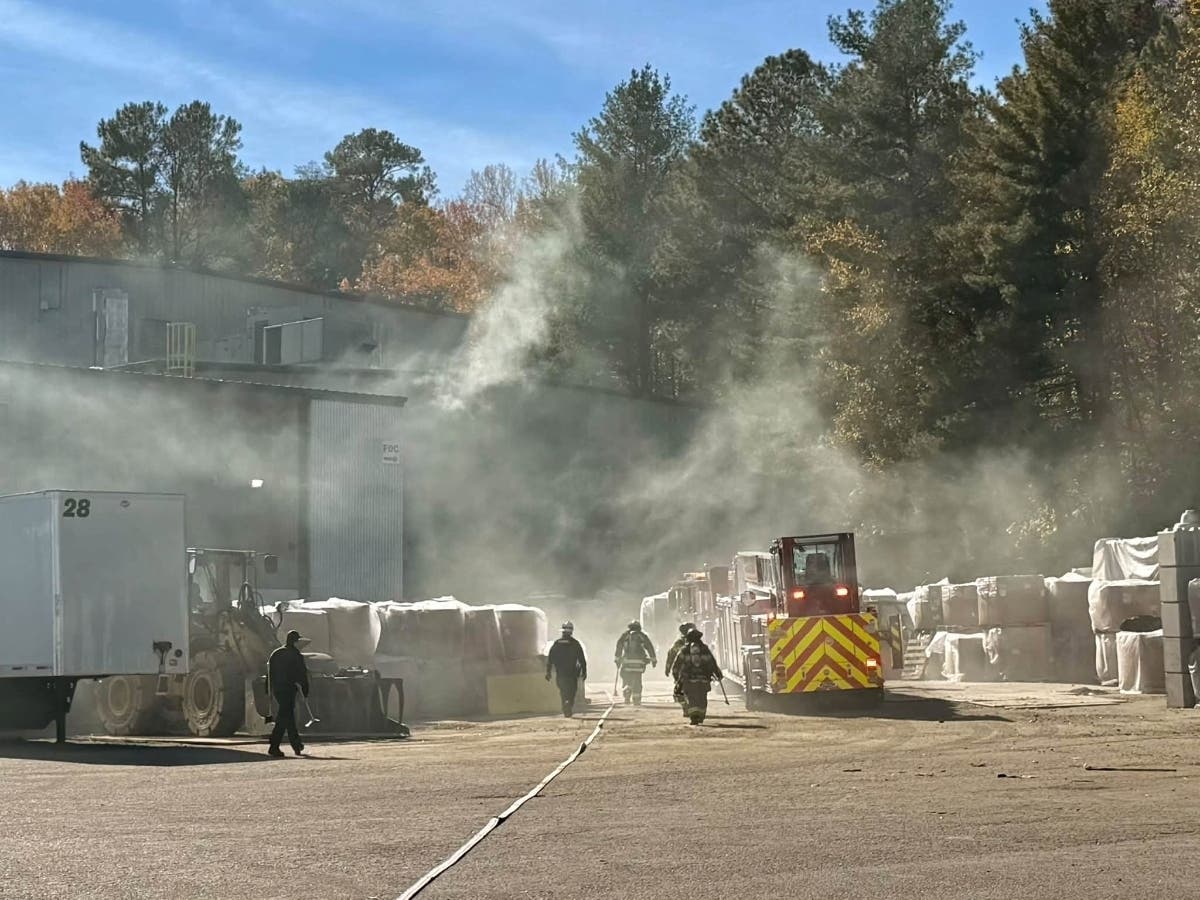
FREDERICKSBURG, VA — Regional emergency crews were dispatched to a Fredericksburg commercial warehouse after a fire was reported inside the facility, according to initial reporting from Patch.
The incident marks the second emergency response to the same industrial address in recent months. In June, local firefighters responded to the property when an industrial shredder caught fire during operations.
First responders worked to contain the scene and assess the structure. Officials have not yet released public determinations regarding the specific origin of this latest incident or the extent of structural damage sustained inside the facility. No injuries have been officially reported at this time.
Executive Note — EGS Analysis
The Executive Takeaway
Recurring mechanical and industrial incidents present severe complications for commercial property operators across Northern Virginia and the Fredericksburg corridor. When high-capacity equipment experiences thermal events or electrical failures, standard post-incident reviews often focus exclusively on the specific machinery involved rather than total facility resilience.
From a risk standpoint, an unaddressed equipment hazard threatens baseline operational continuity. When industrial machinery operates in high-density storage or processing environments, secondary combustion risks multiply. Facility directors benefit from adopting proactive risk mitigation protocols that integrate mechanical monitoring, perimeter verification, and thermal sensor audits directly into their overall site management workflow. Establishing cross-functional safety checks ensures that initial mechanical anomalies are documented and resolved before compounding into systemic downtime.
Educational Sidebar: Best Practices for Post-Incident Industrial Audits
When a commercial or industrial facility experiences a localized fire or mechanical failure, returning to full operations requires more than repairing the primary equipment. A defensible, thorough post-incident audit should cover several core areas:
- Thermal and Ventilation Clearance: Ensure all ductwork, exhaust passages, and collection hoppers tied to industrial shredders or cutting tools are clear of particulate buildup, which often fuels secondary flare-ups.
- Auxiliary System Verification: Review whether auxiliary suppression lines, fire doors, and localized emergency cut-off switches engaged correctly during the incident.
- Vendor Maintenance Documentation: Maintain verifiable logs showing certified third-party inspections and mechanical clearances before re-energizing repaired lines.
- Critical Infrastructure Protection: Assess whether surrounding logistics pathways, electrical distribution panels, and exterior access points remained fully secure during emergency personnel staging.
Establishing routine documentation across these checkpoints preserves commercial asset integrity and simplifies future regulatory and insurance reviews.
EGS Security Solutions publishes a complimentary threat & vulnerability assessment framework for facility directors in the DMV. Request it here: https://egssecuritysolutions.com/locations/manassas