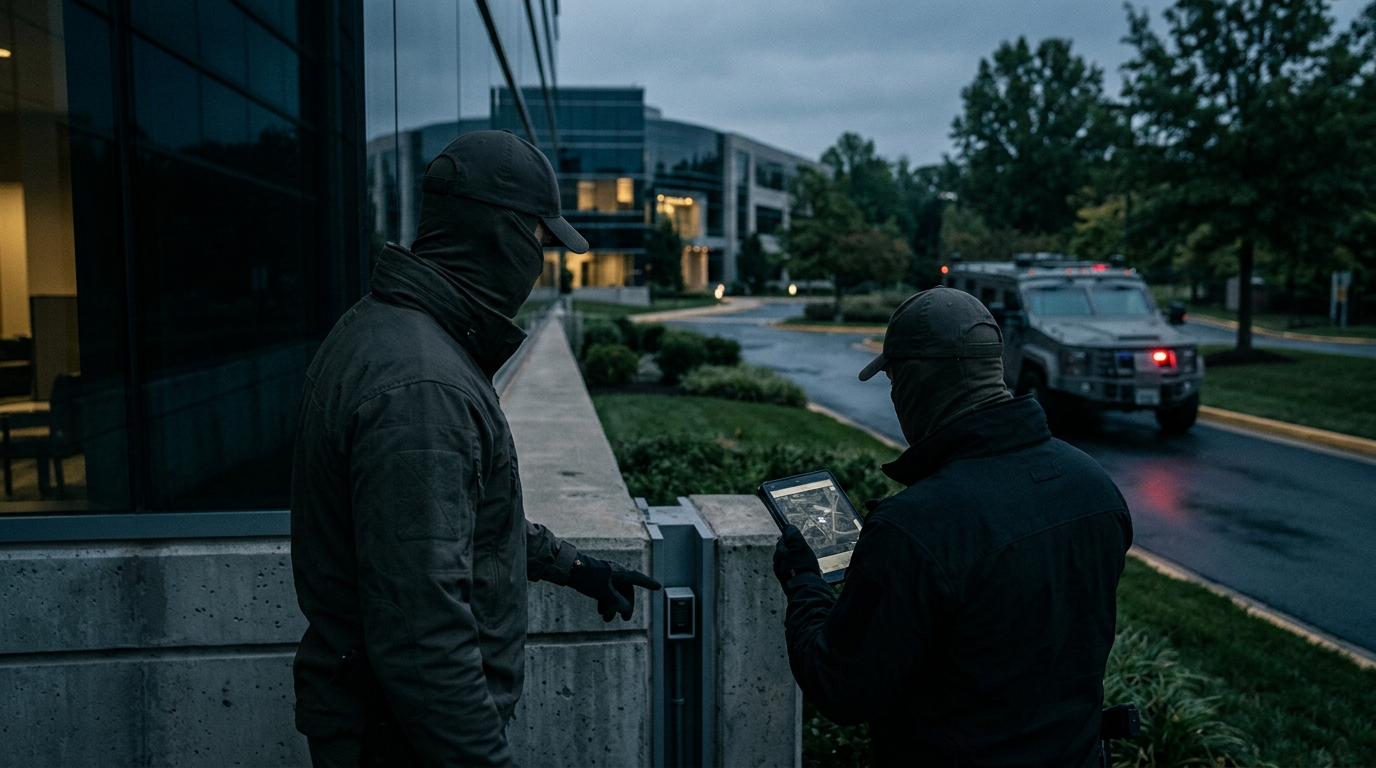
In Virginia, owners and managers of commercial properties, corporate campuses, and residential communities are bound by a legal principle known as "premises liability." This doctrine establishes a duty of care to maintain a reasonably safe environment for employees, customers, and residents. A critical and often misunderstood component of this duty relates to protecting individuals from criminal acts committed by third parties. The central question in these cases is not whether a crime occurred, but whether that crime was legally foreseeable.
Understanding the Foreseeability Doctrine
Virginia courts have consistently held that a property owner's duty to protect against third-party crime is not absolute. Instead, the duty arises when there is a known or reasonably foreseeable risk of such an act occurring. Without foreseeability, a property owner is generally not held liable for the unpredictable criminal actions of others. Proving foreseeability is the primary task for a plaintiff in a negligent security lawsuit, and it typically relies on one of two legal tests.
First is the "prior similar incidents" approach. If a property has experienced a pattern of specific crimes—such as assaults in a parking garage or burglaries in an apartment complex—then future, similar crimes may be deemed foreseeable. This makes meticulous record-keeping essential. Incident reports, logs of suspicious activity, and even tenant complaints about broken locks or poor lighting become critical evidence. A history of documented issues, coupled with inaction, can be used to argue that management should have reasonably anticipated another event and taken steps to prevent it.
Second is the "imminent harm" approach. This test applies when a property owner knows or should know that a specific criminal act is about to occur. For example, if on-site staff witness a violent argument escalating in a lobby and fail to intervene or call the police, they may be liable for a subsequent assault, even if no similar incident has ever happened before. This highlights the need for clear response protocols and empowers on-site professionals to act decisively when a threat is developing in real time.
The Role of Context and Documentation
The determination of foreseeability is highly fact-specific and depends on the "totality of the circumstances." This includes not only incidents on the property itself but also the nature and frequency of crime in the immediate vicinity. A facility located in a high-crime area as defined by Prince William County Police data may be held to a higher standard of care than one in a historically safe district.
Therefore, a defensible security posture is not static; it must evolve in response to documented data. Simply maintaining the same level of security year after year is insufficient if local risk factors have changed. Property managers and HOA boards must be able to demonstrate that their security measures—such as access control systems, lighting, and the presence of vetted tactical professionals—are a reasonable response to the known risks. Comprehensive documentation is the best defense, proving that decisions were informed, deliberate, and proportional to the foreseeable threats.
Executive Note — EGS Analysis The legal doctrine of foreseeability directly impacts a property's financial and reputational standing. A passive security posture that ignores accumulating incident data or local crime trends significantly expands an organization's liability footprint. Effective leadership requires implementing a strategy of proactive risk mitigation, where security investments are directly tied to documented risks. This transforms security from a reactive expense into a strategic function that defends operational continuity and shareholder value. Ignoring known structural vulnerabilities—like malfunctioning access points or unmonitored common areas—is a direct invitation to a finding of negligence.
Educational Sidebar: A Foreseeability Self-Audit Framework
Facility directors and board members can use this checklist to assess their current posture regarding foreseeability and premises liability. An affirmative answer to these questions indicates a stronger, more defensible position.
-
Incident Logging: Do we maintain a detailed, time-stamped log of all security-related incidents, resident/employee complaints, and suspicious activities on our property?
-
Environmental Awareness: Do we formally review local crime statistics from official sources (e.g., Prince William County Police) for our specific area on a recurring basis (e.g., quarterly)?
-
Risk-Based Adjustments: Is there a formal process to evaluate and potentially upgrade security measures (e.g., lighting, cameras, access protocols) in direct response to incidents that occur on-site or in the immediate vicinity?
-
Documentation of Rationale: Can we produce documentation that shows why our current security measures are in place and demonstrates that they are a reasonable response to the known risks?
-
Staff Training: Are our on-site personnel trained to recognize and respond to escalating situations that could constitute "imminent harm"?
EGS Security Solutions publishes a complimentary threat & vulnerability assessment framework for facility directors in the DMV. Request it here: https://egssecuritysolutions.com/locations/manassas