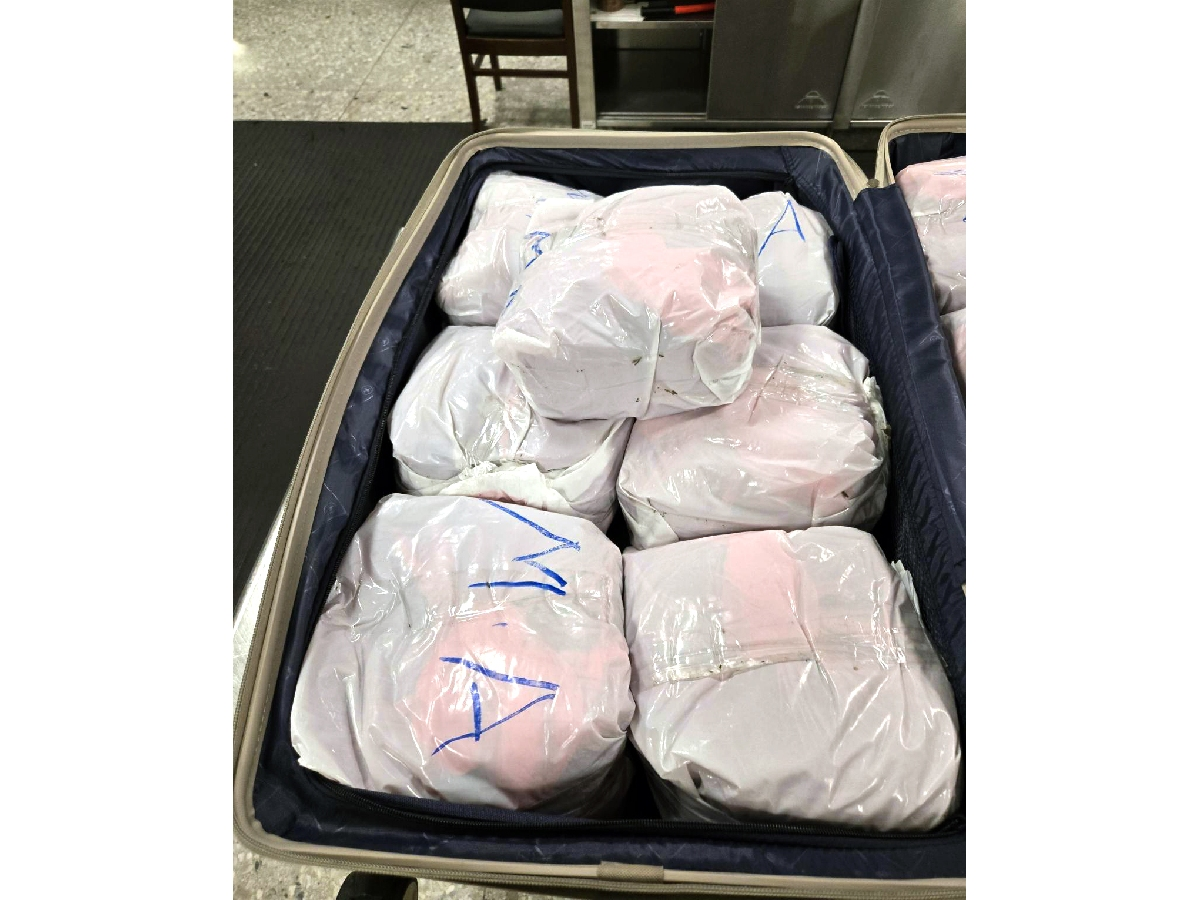
U.S. Customs and Border Protection (CBP) agents recently intercepted approximately 65 pounds of a controlled stimulant at Washington Dulles International Airport (IAD). The seizure adds to a growing number of such incidents reported at the airport.
According to CBP officials, the illicit substance was discovered during routine inspections of incoming cargo. The specific details regarding the origin of the shipment, the intended recipient, or any arrests made in connection with this particular seizure were not immediately released by authorities. The street value of the confiscated stimulant was also not disclosed.
This incident follows previous seizures of similar substances at IAD, indicating a persistent challenge for border security and law enforcement agencies. CBP has consistently highlighted the role of its agents in preventing the entry of illegal narcotics and other contraband into the United States through various points of entry, including major international airports.
The agency emphasizes that their advanced screening technologies, K9 units, and intelligence-driven enforcement operations are critical in detecting and interdicting illegal shipments. The ongoing efforts at Dulles underscore the continuous vigilance required to maintain the integrity of commercial and passenger travel gateways.
Executive Note — EGS Analysis
The repeated interdiction of significant quantities of illicit substances at major transport hubs like Dulles International Airport highlights persistent structural vulnerabilities in the global supply chain. While CBP performs exemplary work, the sheer volume of cargo and passenger traffic presents complex challenges for comprehensive security. For commercial operators, this underscores the critical need for robust supply chain visibility and vetting processes that extend beyond initial shipment points. Proactive risk mitigation involves not only internal security protocols but also understanding and influencing security measures across the entire logistics pipeline to minimize liability footprint from illicit activities or other threats.
Educational Sidebar: Understanding Critical Infrastructure Protection
Critical Infrastructure Protection (CIP) refers to the efforts made to secure assets, systems, and networks that are essential to the functioning of a society and economy. This includes facilities such as airports, seaports, power grids, communication networks, and water treatment plants. These infrastructures are vulnerable to a range of threats, including physical attacks, cyberattacks, and the illicit movement of goods or personnel. Effective CIP involves a multi-layered approach that includes physical security measures, cybersecurity protocols, intelligence sharing, and close collaboration between government agencies and private sector operators. For locations like Dulles, CIP ensures operational continuity and safeguards against exploitation by criminal organizations or hostile actors, directly impacting regional commerce and national security.
EGS Security Solutions publishes a complimentary threat & vulnerability assessment framework for facility directors in the DMV. Request it here: https://egssecuritysolutions.com/locations/manassas