Bike Security Standards Highlighted for Urban Protection
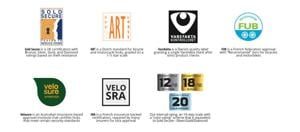
Seatylock, a bicycle security manufacturer, recently drew attention to the role of independent security certifications in guiding consumers toward effective urban bike protection. The company's statements, disseminated via a press release covered by the Prince William Times, emphasized that these certifications provide a standardized measure of a lock's resistance to theft strategies.
The press release highlighted that the urban environment presents unique challenges for bike owners, necessitating robust security measures. Independent certifications, such as those from institutions like Sold Secure, ART, and SBSC, are presented as crucial for distinguishing high-quality security products from those offering superficial protection. These organizations rigorously test locks against various attack methods, including cutting, drilling, and picking, to assess their real-world efficacy. According to Seatylock, understanding these ratings allows cyclists to make informed decisions that align with the specific threat levels in their commuting and storage areas.
The company underscored that relying solely on marketing claims without third-party verification can leave bicycles vulnerable. They advocate for a strategic approach to bike security, beginning with an understanding of certified protection levels. This perspective suggests that effective urban bike security extends beyond the lock itself to the informed choices of the bike owner, aligning product strength with environmental risk factors.
Executive Note — EGS Analysis
While focused on bicycles, this highlights a broader principle of proactive risk mitigation: independent verification of security efficacy. Businesses operating properties where employees or visitors park bicycles, or even where equipment and tools are secured, can learn from this. Understanding certified protective measures for various assets minimizes a business's liability footprint by ensuring security investments are genuinely effective against prevailing threats, rather than relying on unverified claims. This approach underpins robust operational continuity.
Educational Sidebar: Evaluating Security Product Claims
When considering commercial building security solutions in Manassas or upgrading existing systems, it's essential to critically evaluate product claims. Many manufacturers market their products with strong language, but discerning their true effectiveness requires looking beyond the immediate messaging. Here are key considerations:
- Independent Certifications: Look for certifications from reputable third-party testing organizations. For locks, this might include UL (Underwriters Laboratories) for doors and safes, or specialized groups like Sold Secure for bicycle locks. These certifications indicate that a product has met specific performance criteria under standardized testing conditions.
- Performance Metrics: Understand what metrics are being tested. Does a camera system offer a high resolution, or is its low-light performance exceptional? How quickly does an access control system process credentials? Compare these metrics against your specific operational needs.
- Case Studies and Testimonials: While anecdotal, well-documented case studies and testimonials from similar businesses can provide insights into real-world performance. Be cautious of overly generic or unsourced endorsements.
- Vendor Reputation and Support: A security solution is only as good as its ongoing support. Research the vendor's reputation for reliability, customer service, and long-term maintenance. This is particularly important for integrated security solutions that require regular updates and expert attention.
- Total Cost of Ownership (TCO): Beyond the initial purchase price, consider installation, maintenance, software licenses, upgrades, and potential training costs. A cheaper upfront solution might incur significant costs over its lifespan.
EGS Security Solutions publishes a complimentary threat & vulnerability assessment framework for facility directors in the DMV. Request it here: https://egssecuritysolutions.com/locations/manassas