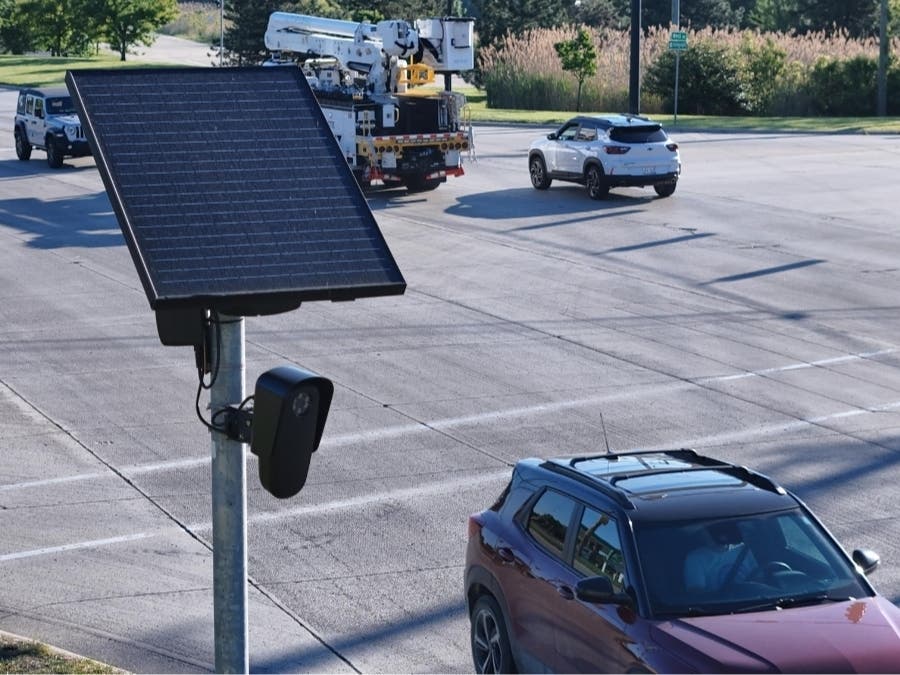
Automated License Plate Readers (ALPRs), particularly those from Flock Safety, are becoming a more common feature in communities and businesses across the United States, including the Manassas area. These systems, which capture and store vehicle license plate data, are used by law enforcement agencies to aid in crime solving and vehicle recovery.
According to a report from Patch Manassas, the expansion of ALPR technology has been met with growing discussion regarding its impact on privacy and civil liberties. While police departments often cite the technology's effectiveness in investigations—such as identifying vehicles linked to stolen property, missing persons cases, or violent crimes—civil rights organizations express concerns about the creation of vast surveillance networks and the potential for warrantless tracking.
Flock Safety's ALPR cameras capture images of vehicles and their license plates, which are then analyzed by sophisticated software. This data can be compared against hotlists of vehicles associated with criminal activity. The company asserts that its technology is designed to protect privacy by blurring faces and limiting data retention, typically to 30 days.
However, critics argue that even with such safeguards, the sheer volume of data collected and shared among various law enforcement agencies could lead to overreach. The debate often centers on balancing public safety interests with constitutional protections against unreasonable search and seizure.
Local law enforcement in Prince William County has acknowledged the utility of ALPRs in crime deterrence and investigation. Community leaders and business associations are increasingly evaluating the benefits of enhanced security against the broader implications for privacy within their jurisdictions and commercial properties.
Executive Note — EGS Analysis The proliferation of Automated License Plate Readers (ALPRs) presents a complex operational dynamic for commercial entities. While the technology offers a robust tool for law enforcement in proactive risk mitigation, particularly in areas prone to vehicle-related crime, businesses must also consider the liability footprint associated with data collection and privacy concerns. Integrating ALPRs into a comprehensive security strategy requires careful thought regarding data ownership, access protocols, and compliance with privacy regulations. The objective should always be to enhance security and asset protection while adhering to the highest standards of ethical data management and respecting community expectations regarding privacy. Understanding these nuances is key to effective deployment.
Educational Sidebar: Data Security Protocols for Commercial Surveillance Systems
When implementing advanced surveillance technologies like Automated License Plate Readers (ALPRs) or other high-resolution camera systems, establishing rigorous data security protocols is paramount. For commercial building security solutions in Manassas, this involves more than just installing cameras; it requires a strategic approach to data handling.
Key protocols include:
- Access Control: Limiting who can view, retrieve, or manage surveillance data to authorized personnel only. This involves strong authentication methods and role-based access permissions.
- Data Encryption: Ensuring all collected data, both in transit and at rest, is encrypted to prevent unauthorized interception or access.
- Secure Storage: Utilizing secure, redundant storage solutions that are protected against physical and cyber threats. This includes considering cloud-based solutions with robust security certifications.
- Retention Policies: Implementing clear data retention policies that comply with legal requirements and organizational needs. Data should not be stored indefinitely without a justifiable reason.
- Audit Trails: Maintaining comprehensive logs of all access attempts, data retrievals, and system changes to ensure accountability and detect anomalies.
- Regular Audits and Updates: Periodically reviewing security protocols, conducting vulnerability assessments, and ensuring all software and hardware are up-to-date with the latest security patches.
These measures help safeguard sensitive information, reduce the risk of data breaches, and ensure compliance with evolving privacy legislation, crucial for any commercial enterprise utilizing advanced security infrastructure.
EGS Security Solutions publishes a complimentary threat & vulnerability assessment framework for facility directors in the DMV. Request it here: https://egssecuritysolutions.com/locations/manassas