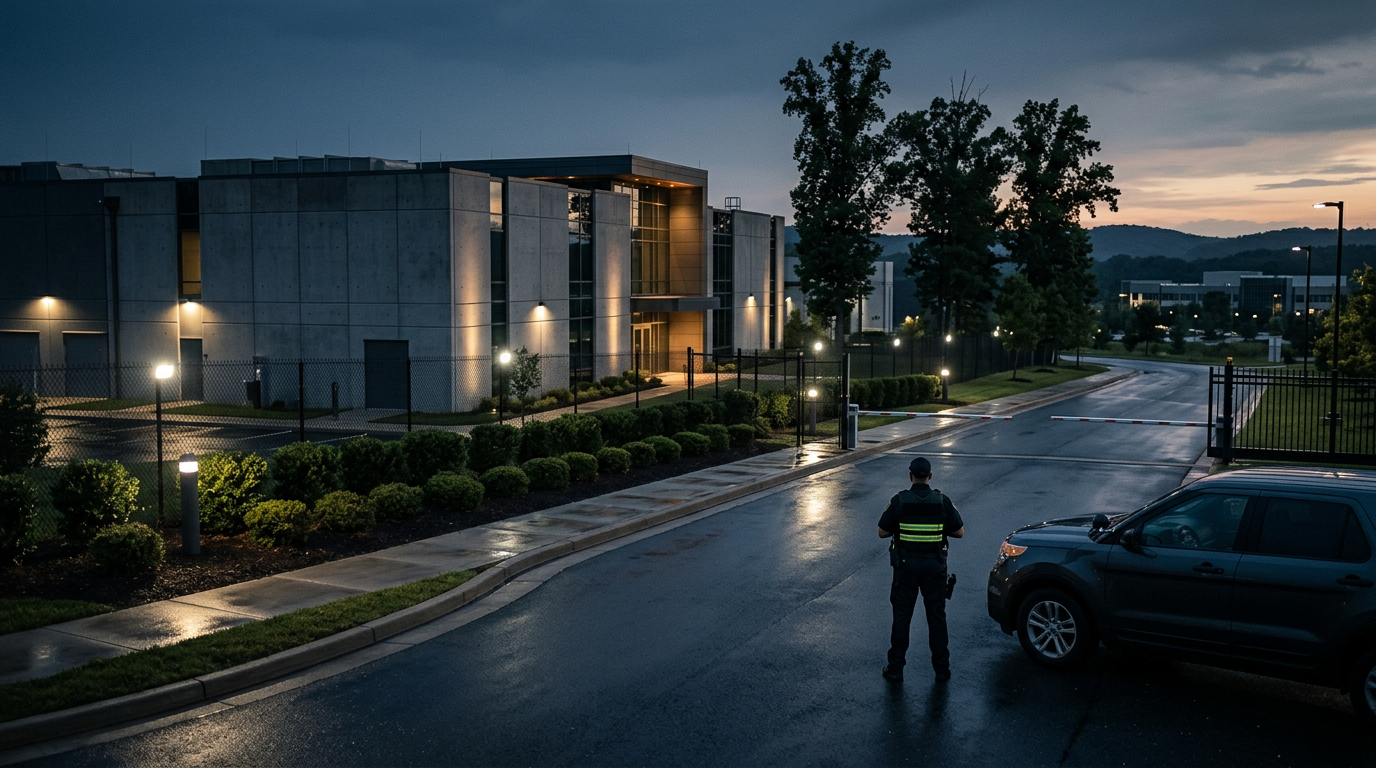
For facility directors, corporate asset managers, and HOA boards across Prince William County, ensuring the safety and security of a property extends beyond technology and personnel. The physical environment itself is a powerful tool in shaping behavior and deterring unwanted activity. This is the core principle of Crime Prevention Through Environmental Design (CPTED), a proactive discipline focused on designing and modifying the built environment to reduce the incidence and fear of crime.
CPTED is not about creating fortresses. Instead, it uses subtle and organic design cues to influence the decisions of potential offenders. It operates on the premise that a properly designed space can discourage crime by increasing the perceived risk of detection and apprehension. For properties in Manassas and the surrounding region, integrating CPTED can be a cost-effective strategy during new construction, renovations, or even through simple operational changes.
The methodology is based on four key, overlapping principles.
Natural Surveillance
Natural surveillance increases visibility and the potential for observation by legitimate users of a space. The goal is to make intruders feel conspicuous and easily seen. This can be achieved by:
- Strategic Lighting: Properly illuminating parking lots, walkways, entrances, and other potential problem areas to eliminate shadows where individuals could hide. The focus is on uniform, appropriate illumination rather than just raw brightness.
- Landscaping: Keeping shrubs trimmed to below three feet and tree canopies pruned to above seven feet. This maintains clear sightlines along pathways and from windows.
- Building Design: Placing windows overlooking parking lots and sidewalks. Designing lobbies, reception areas, and employee common areas to have a direct view of a building’s exterior and entrances.
Natural Access Control
This principle focuses on guiding people through a space with the strategic placement of entrances, exits, fencing, landscaping, and lighting. The objective is to decrease opportunities for crime by denying access to potential targets and creating a perception of risk for would-be offenders.
Effective natural access control channels visitors to a single, easily monitored point of entry. This is accomplished through well-defined pathways, low ornamental fencing, or landscape planters that subtly guide foot traffic without presenting an aggressive, imposing barrier.
Territorial Reinforcement
Territorial reinforcement uses physical design to create a clear distinction between public, semi-public, and private spaces. When individuals have a sense of ownership over an area, they are more likely to notice and challenge people who don't belong.
This is achieved through clear boundary markers, such as changes in pavement, low walls, or signage. For a commercial property, this could mean ensuring the lobby feels distinct from the public sidewalk. For an HOA, it means using landscaping and signage to delineate common areas from private residences. This sense of territoriality makes intruders feel more conspicuous and legitimate users feel more empowered.
Maintenance and Management
This principle, often referred to as “upkeep,” is critical to the success of the other three. A well-maintained property signals active supervision and care. It communicates that someone is watching and that illicit behavior will not be tolerated. This concept is closely related to the “Broken Windows Theory,” which posits that visible signs of crime and neglect (like broken windows or graffiti) encourage further crime and disorder.
Promptly repairing damage, removing graffiti, replacing burned-out lights, and maintaining landscaping are essential CPTED activities. This sustained effort ensures that the benefits of the other design principles are not undermined by an appearance of neglect.
Executive Note — EGS Analysis Integrating CPTED principles is a foundational element of proactive risk mitigation. By focusing on tactical architecture—the deliberate design of space to influence human behavior—organizations and communities can significantly reduce their liability footprint. An environment that inherently discourages illicit activity is more resilient and supports long-term operational continuity with less need for reactive intervention.
Educational Sidebar: A CPTED Self-Assessment Checklist
Use this list to conduct a basic CPTED walk-through of your property:
- Lighting: Are pathways, parking areas, and building entrances illuminated to appropriate levels after dark, eliminating deep shadows?
- Sightlines: Is landscaping trimmed (e.g., shrubs under 3 feet, tree canopies above 7 feet) to preserve clear lines of sight from windows and along walkways?
- Entrances: Is there a single, clearly defined public entrance that is easily observable by staff or residents? Are secondary access points properly controlled and monitored?
- Boundaries: Are property lines clearly marked with landscaping, fencing, or signage to distinguish public from private space?
- Wayfinding: Is signage clear and logical, directing visitors and preventing them from wandering into unauthorized areas?
- Maintenance: Is graffiti removed promptly? Are broken lights, windows, or fences repaired in a timely manner? Does the overall condition of the property project an image of active management?
EGS Security Solutions publishes a complimentary threat & vulnerability assessment framework for facility directors in the DMV. Request it here: https://egssecuritysolutions.com/locations/manassas.